Best Neighborhoods in Tokyo for International Students
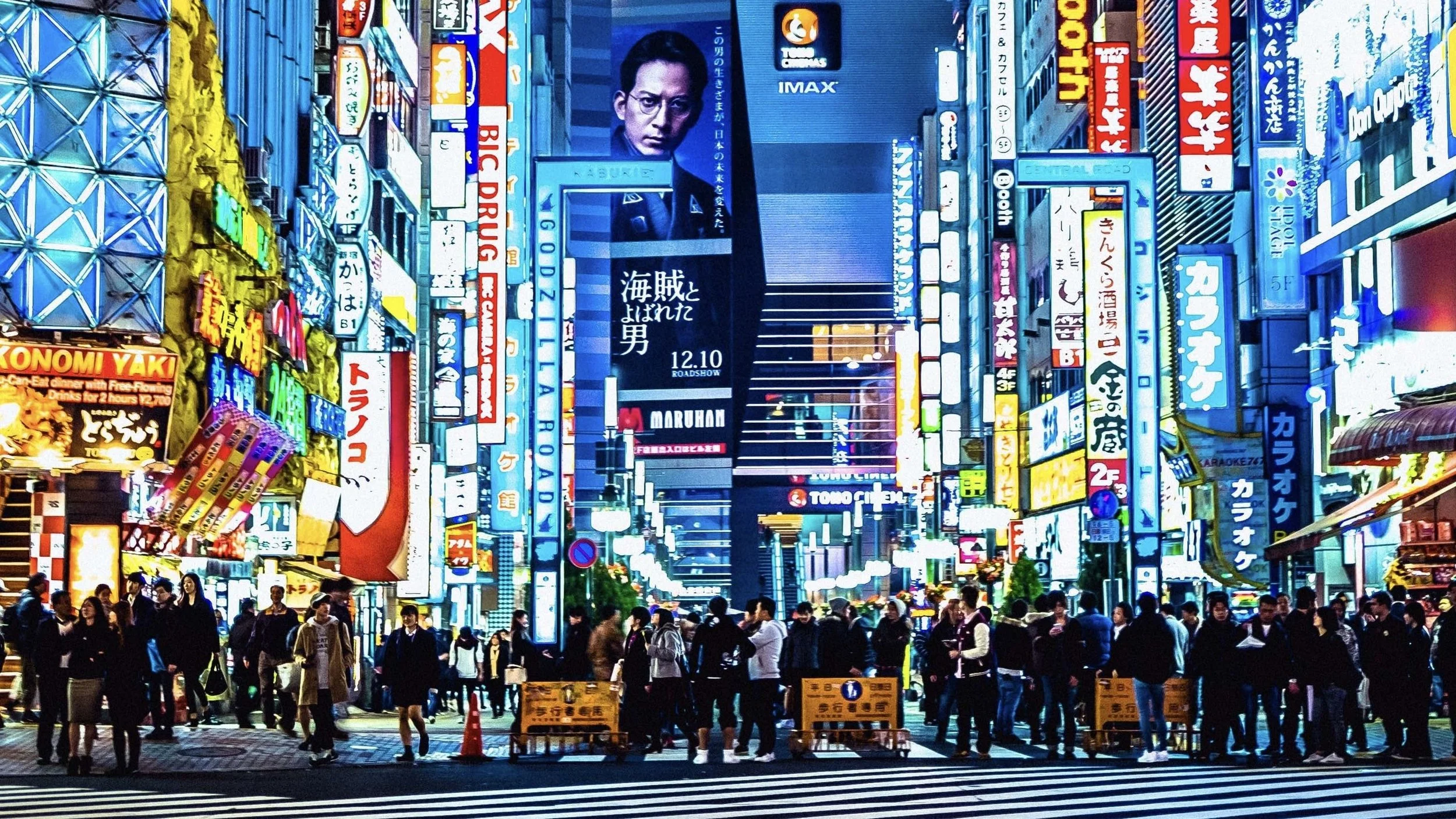
Shinjuku, Tokyo
1. Top 5 Neighborhoods for Students
Takadanobaba, Shinjuku: A popular student neighborhood with convenient rail connections, affordable restaurants and easy access to major university areas.
Ikebukuro, Toshima: Well suited to students looking for excellent public transportation, shopping, entertainment and a wide variety of smaller rental apartments.
Koenji, Suginami: Attractive to budget-conscious students who enjoy independent cafés, casual restaurants, secondhand shops and a neighborhood atmosphere.
Ochanomizu / Jimbocho, Chiyoda: Convenient for students attending institutions in central Tokyo. The area combines academic facilities, bookstores, cafés and strong transport connections.
Shimokitazawa, Setagaya: Popular among creative students and young residents because of its music venues, cafés, vintage shopping and relaxed residential streets.
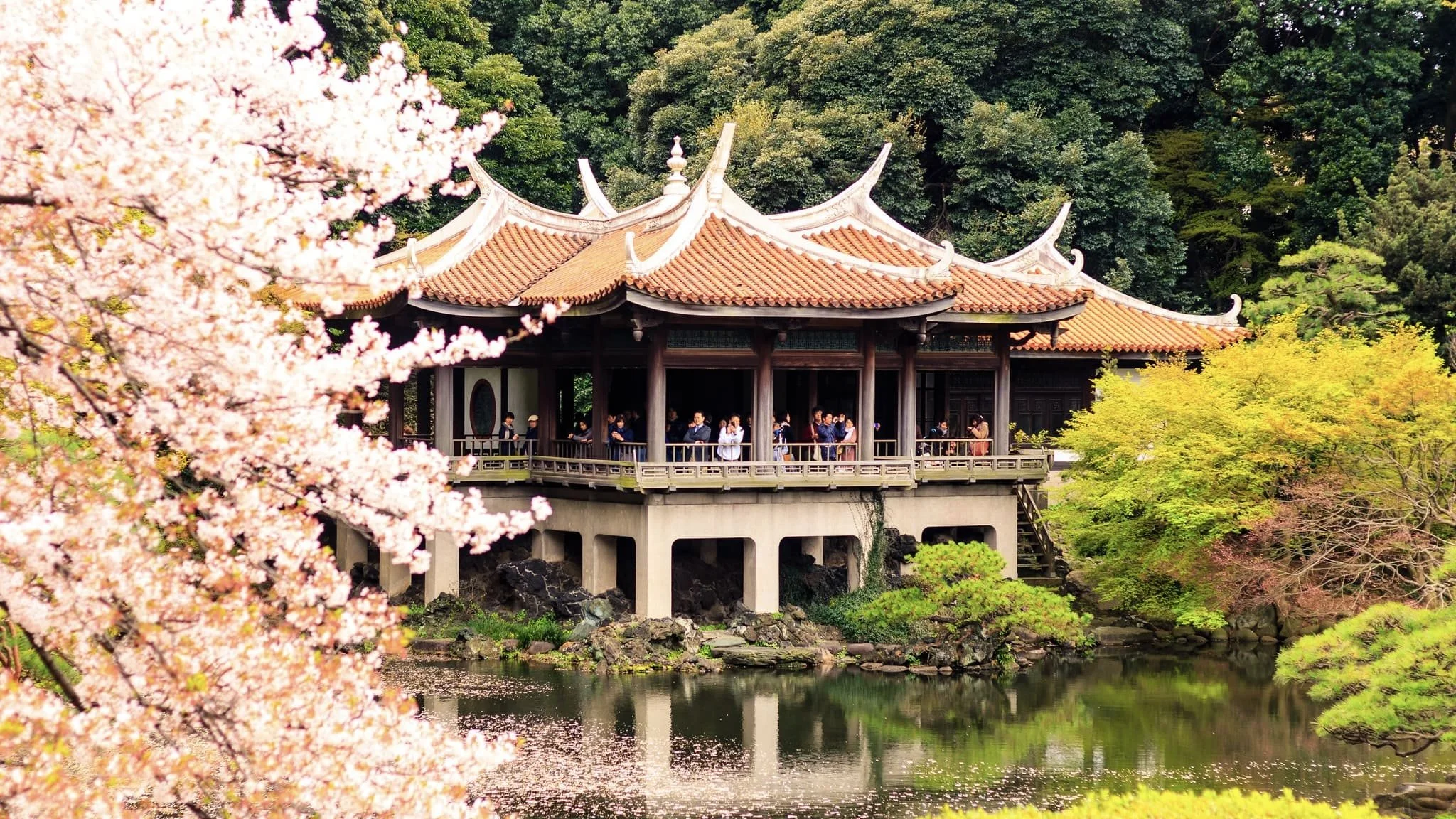
A garden in Shinjuku, Tokyo
2. Student Lifestyle, Dining & Transportation
Tokyo is highly convenient for students who live near a railway or metro station. Takadanobaba and Ikebukuro provide frequent connections across the city, while Koenji and Shimokitazawa appeal to students looking for a more distinctive neighborhood lifestyle.
Students should compare rent against commuting costs and travel time. A lower-rent apartment farther from campus may not be the best value if it requires multiple train transfers or an expensive monthly commute.
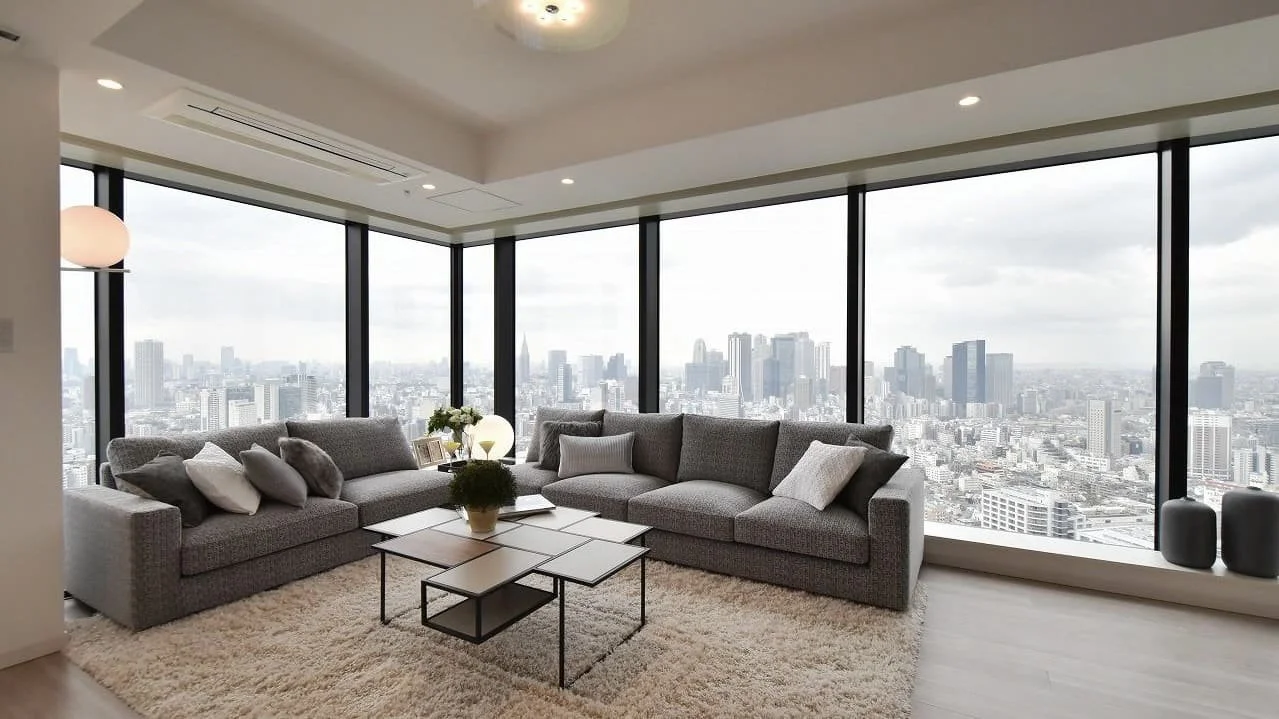
An apartment in Tokyo
3. Student Rental Prices
Typical monthly rents for compact studios, 1R and 1K apartments are approximately:
Takadanobaba: ¥75,000–125,000 (US$470–790)
Ikebukuro: ¥80,000–140,000 (US$510–880)
Koenji: ¥65,000–110,000 (US$410–700)
Ochanomizu / Jimbocho: ¥90,000–150,000 (US$570–950)
Shimokitazawa: ¥85,000–140,000 (US$540–880)
Shared accommodation or older buildings can be cheaper, while newly constructed apartments close to major stations are usually more expensive.
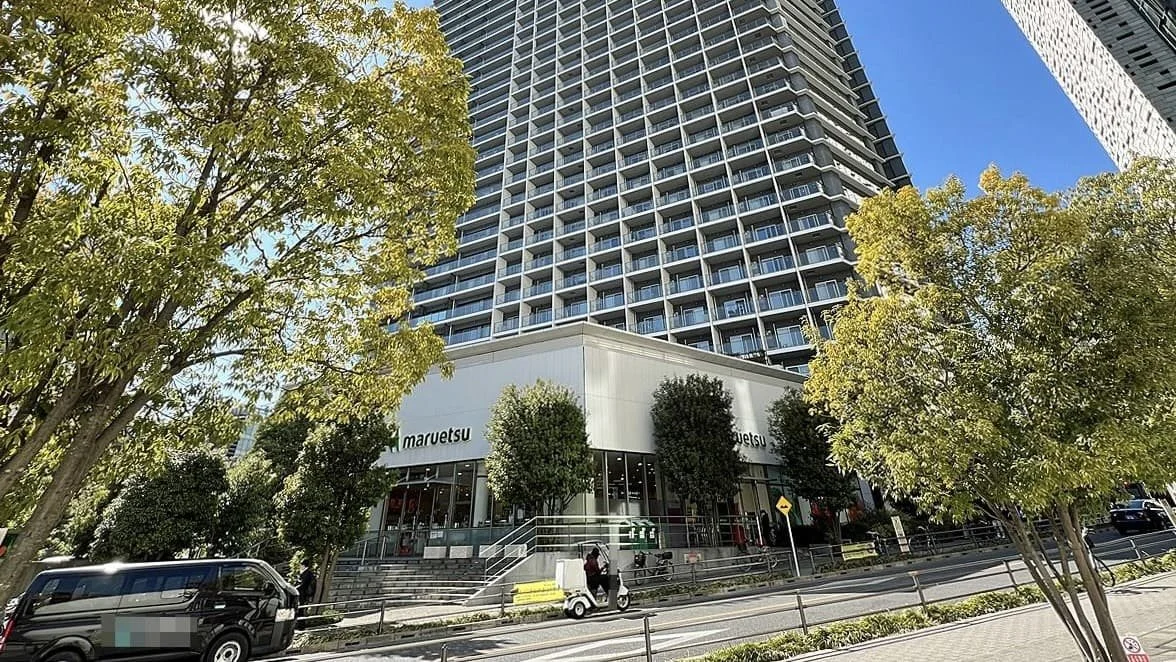
An apartment building in Tokyo
4. Student Housing Types & Rental Requirements
Students commonly rent compact studios, 1R or 1K apartments. A 1R is generally a single-room layout, while a 1K usually has a small kitchen area separated from the main room.
Japanese rental applications may require identification, proof of enrollment, financial documentation and a guarantor or guarantor company. Students should also budget for deposits, agency fees, insurance and possible key money.
Before committing to student housing in Tokyo, confirm the lease duration, total upfront payments, available furnishings, internet arrangements and commute to campus.
Need helping finding a rental in Tokyo?
You can reach out to us whenever you’re ready:
We look forward to your business.
