How to Find an Apartment in Seoul as an Expat

Seoul, Korea
1. Choose the Best Neighborhood for Your Lifestyle
The first step in finding an apartment in Seoul is to establish your monthly rental budget, deposit budget, workplace or school location and preferred apartment size.
Professionals frequently consider Gangnam, Hannam-dong and Seongsu-dong, while families often focus on Hannam-dong, Seorae Village, Ichon-dong and Jamsil.
Students may prefer Sinchon, Hongdae, Hyehwa or Hoegi, depending on their campus location and budget.
Seoul is a large city, so choosing a neighborhood with convenient metro access can significantly improve commuting times and daily convenience.
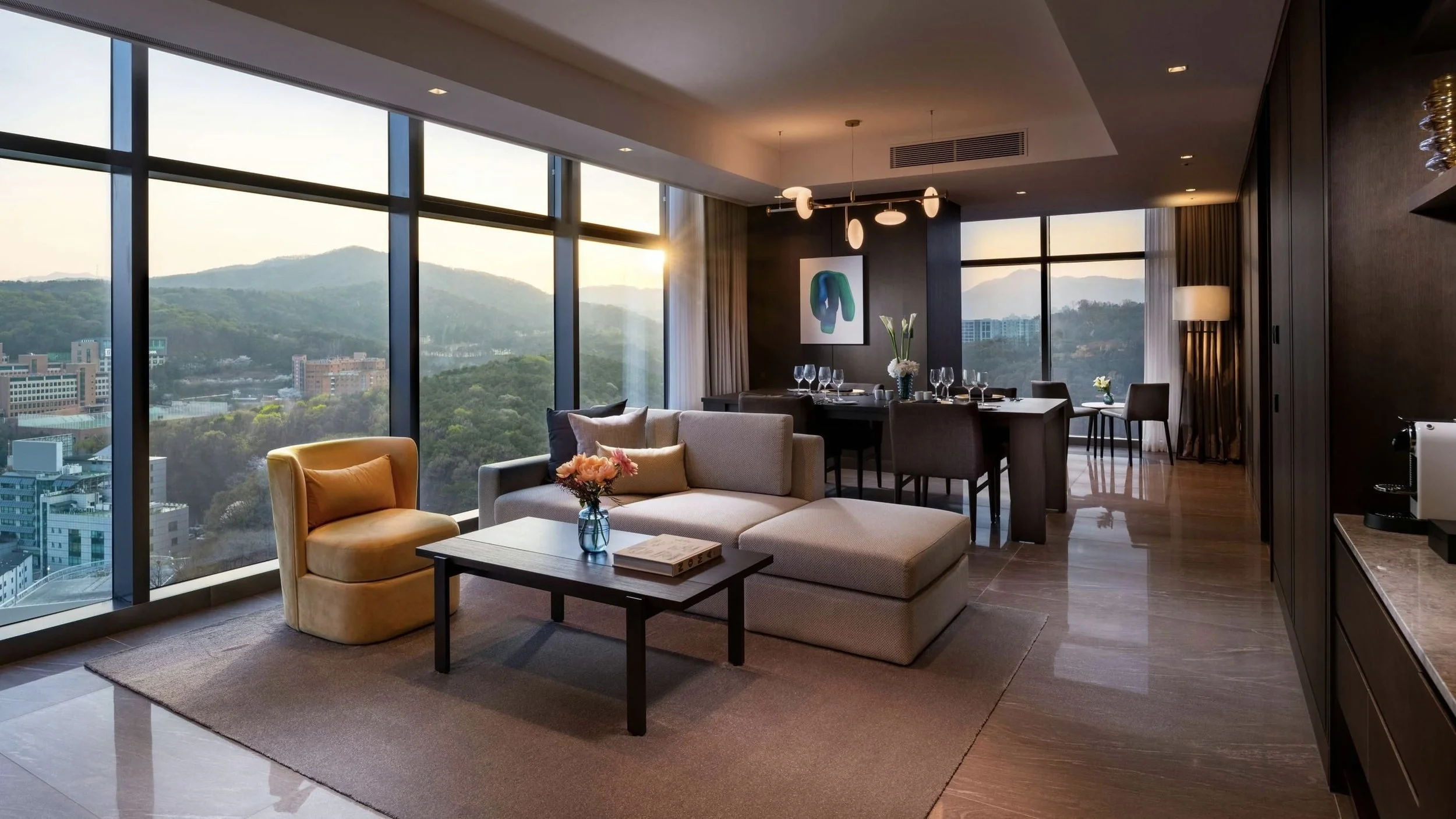
An ultra luxury apartment in Seoul, Korea
2. Understand Seoul's Apartment Types
Seoul offers several common housing categories.
A one-room is typically a studio with a combined sleeping and living area. A two-room generally provides two separate rooms, although layouts vary.
An officetel is a building type that often contains compact residential or mixed-use units, commonly popular with professionals and students.
Larger apartment complexes and low-rise residential homes can provide multiple bedrooms, larger living rooms, parking and family-oriented amenities.
It’s useful to also compare usable floor area, building age, elevator access, heating systems and monthly management charges.
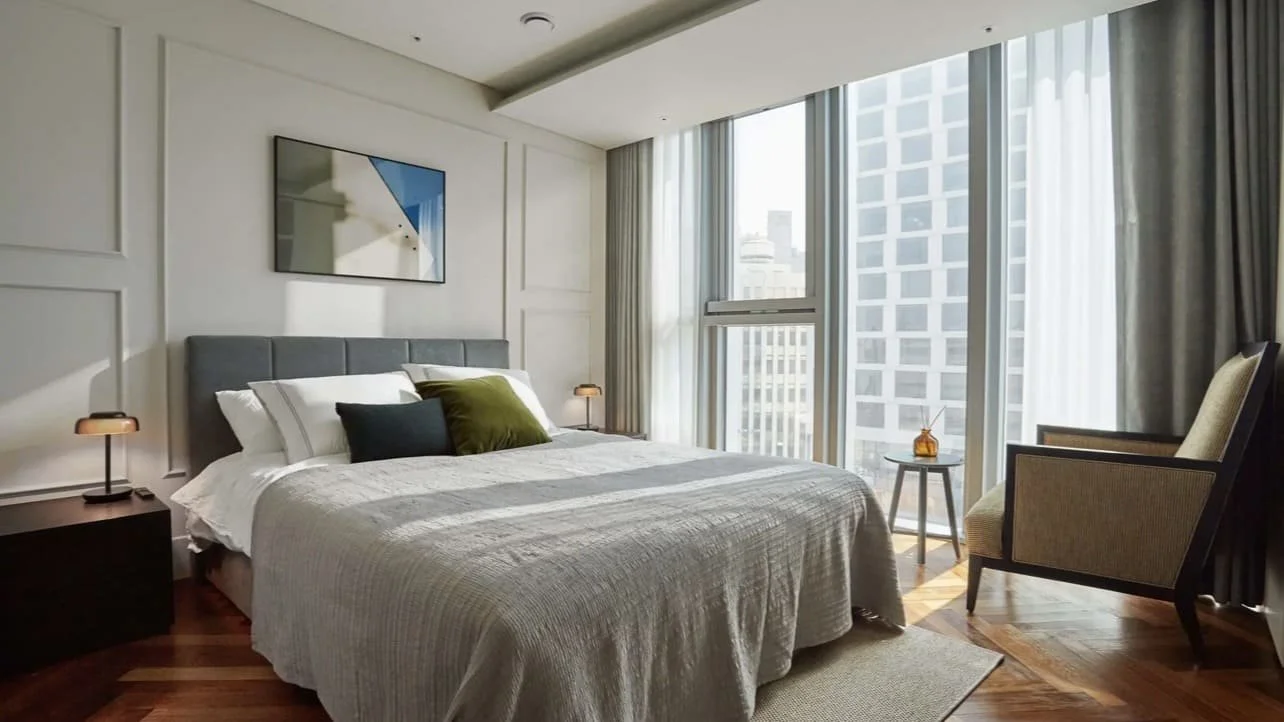
A modern apartment in Seoul, Korea
3. Understand Wolse, Jeonse & Rental Deposits
Wolse (월세) is a rental arrangement involving a security deposit and monthly rental payments. Higher deposits may sometimes allow a lower monthly rent.
Jeonse (전세) involves a substantial lump-sum deposit, typically without conventional monthly rent. These contracts require particular care because a significant amount of money is held by the landlord until the tenancy ends.
Some leases combine a comparatively large deposit with reduced monthly rent.
For foreigners, it is important to review the deposit, payment schedule, contract duration and repayment conditions before signing. Appropriate ownership, registry, lien and deposit-protection checks are particularly important.
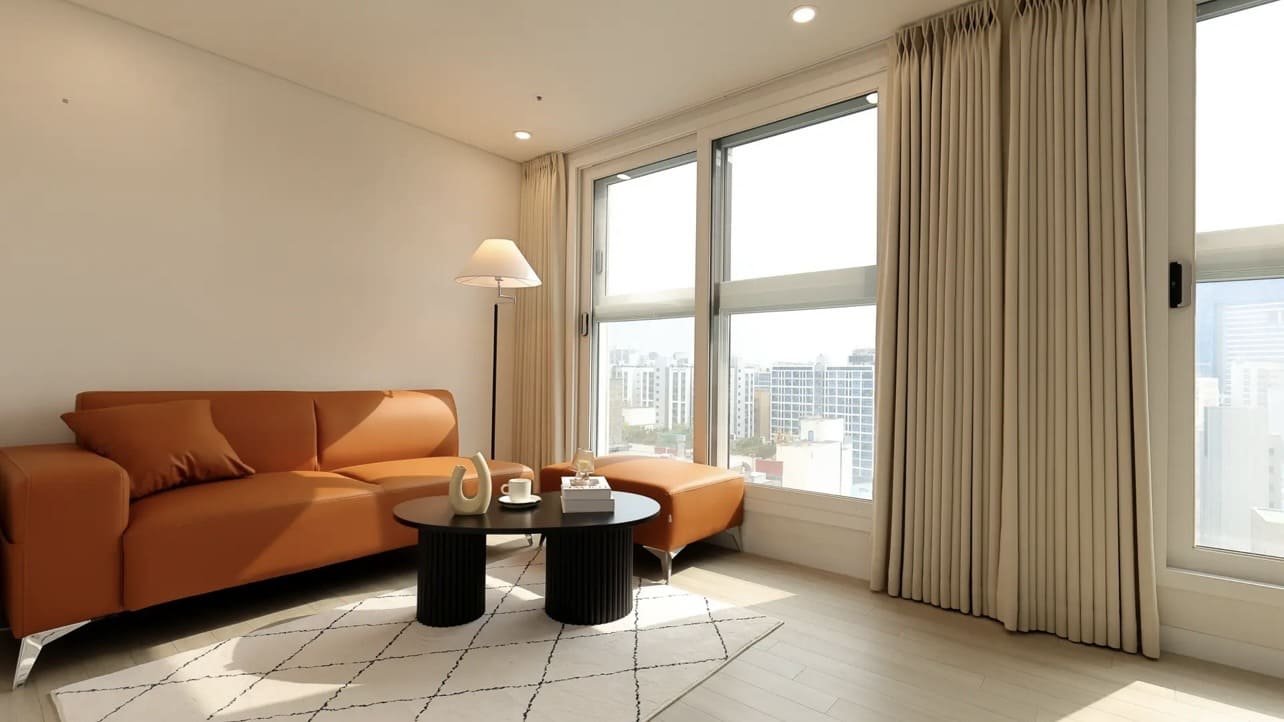
A luxury apartment in Seoul, Korea
4. Prepare Your Rental Application
Landlords may request a passport, residence documentation where applicable, proof of employment or enrollment, and information about the intended occupants.
Some leases can be signed before a foreign resident has completed all local registration steps, but requirements depend on the landlord, property and individual circumstances.
The Liu Organization can help coordinate your Seoul apartment search based on location, budget, housing preferences and intended lease duration.
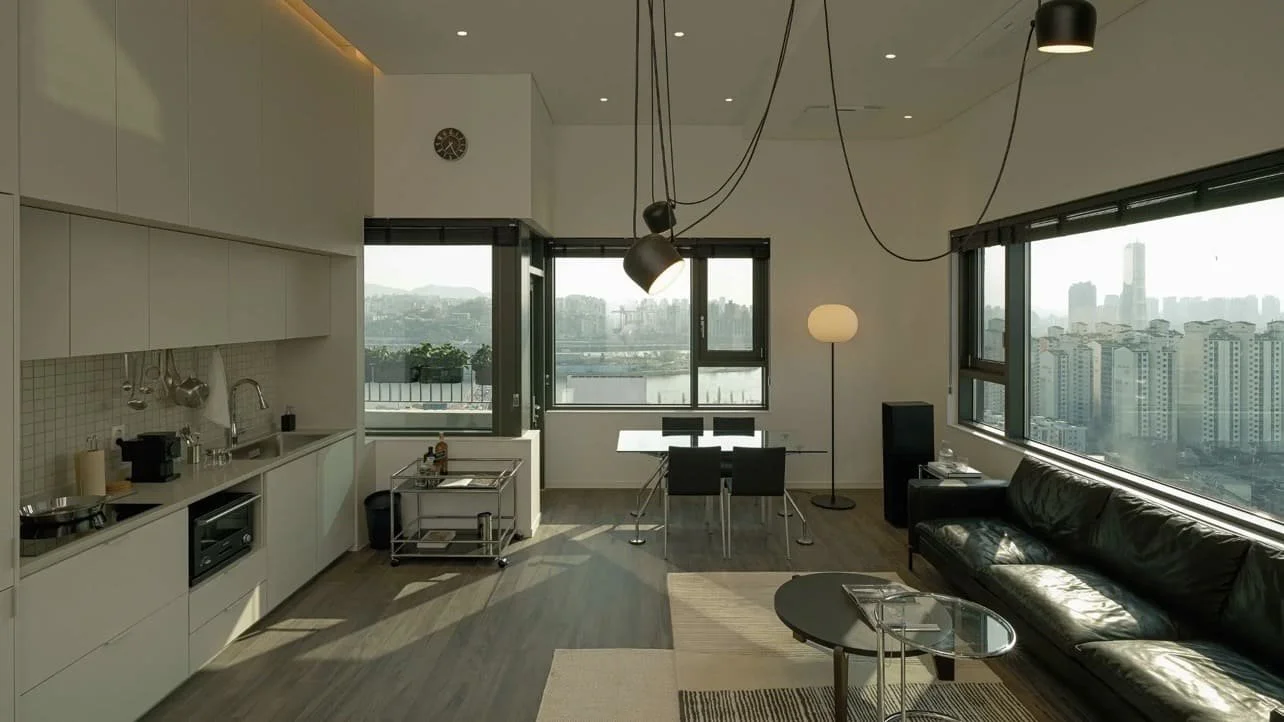
An apartment in Seoul, Korea
5. Inspect the Apartment & Confirm All Costs
Before committing to an apartment in Seoul, inspect the property for water damage, mold, ventilation problems, heating performance, window insulation and general maintenance.
Check whether appliances, furniture, internet and parking are included. Ask for a breakdown of monthly rent, maintenance charges, utilities and any additional fees.
Confirm the deposit-refund provisions, lease-end procedures and applicable tenant registration or reporting requirements.
A successful Seoul apartment search requires more than finding an attractive listing. The right property should offer a manageable deposit, fair monthly expenses, convenient transportation and lease terms appropriate for your stay.
Need helping finding a rental in Seoul?
You can reach out to us whenever you’re ready:
We look forward to your business.
